E-Waste Disposal: Everything You Need to Know About Safe Recycling
The disposal of e-waste is a critical concern that affects both the environment and public health. As technology advances, the amount of discarded electronics continues to rise. Irresponsible disposal methods allow toxic substances to seep into the environment. Recognizing the value of proper recycling methods is crucial. This article will examine practical approaches to managing electronic waste and emphasize the vital measures people can adopt to make certain their devices are handled in a safe and sustainable manner.
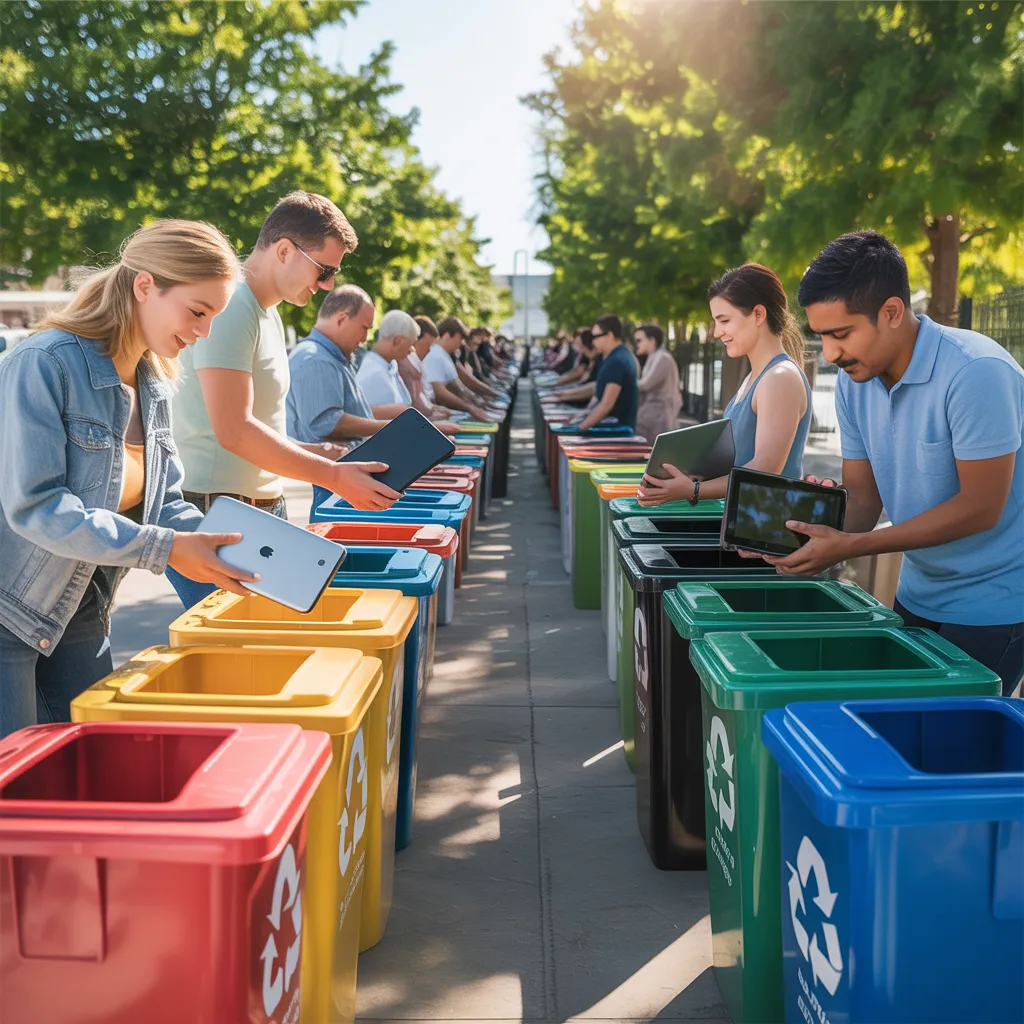
A Guide to E-Waste: What You Need to Know and Why It Counts
E-waste, or electronic waste, encompasses thrown-away electrical and electronic products, including computers, smartphones, and TV sets. The fast-paced evolution of technology has contributed to a significant rise in e-waste output, establishing it as a major environmental challenge. Globally, millions of tons of e-waste are generated annually, often ending up in landfills or being improperly disposed of. Such waste harbors valuable components, like gold, silver, and rare earth elements, that are suitable for recycling. Yet, the careless disposal of e-waste may cause hazardous substances to be released into the natural environment. Developing awareness about e-waste is key to fostering responsible disposal habits and effective recycling programs. Households, organizations, and regulatory authorities all share responsibility in addressing the consequences of e-waste, underscoring the urgency for greater awareness and coordinated efforts. Proper handling of e-waste not only preserves valuable resources but also promotes sustainable growth and alleviates pressure on landfills.
The Health and Environmental Dangers of Improper E-Waste Disposal
The improper handling of electronic waste presents substantial environmental and health hazards that are frequently disregarded. Hazardous materials including lead, mercury, and cadmium are frequently present in electronic waste and may seep into soil and water sources, polluting ecosystems and threatening wildlife. Such dangerous substances may build up within the food chain, creating severe threats to public health.
In addition to environmental degradation, being exposed to e-waste toxins can result in various health problems, including neurological conditions, respiratory complications, and even malignant diseases. Individuals participating in unregulated recycling operations are especially susceptible, commonly missing protective gear and proper training.
The cumulative impact of improper e-waste disposal goes beyond immediate concerns for human health, contributing to lasting environmental problems such as habitat degradation and biodiversity decline. As the use of electronic devices continues to grow, the need to address these hazards becomes increasingly critical for both human and environmental well-being.
Best Practices for E-Waste Recycling
Effective e-waste recycling begins with effective sorting procedures, which ensure that materials are divided based on their recyclability. Using certified recycling centers further improves the process, because these organizations follow environmental guidelines and safety requirements. Collectively, these best practices promote a more sustainable strategy for electronic waste management.
Effective Sorting Strategies
A large share of electronic waste is suitable for proper sorting to enhance recycling efforts and lessen environmental damage. Effective sorting methods require organizing e-waste into separate categories based on material composition, such as glass, metals, and plastics. This approach not only optimizes the recycling procedure but also guarantees that hazardous materials, like toxic elements such as Get it now lead and mercury, are processed with care. Additionally, categorizing devices by their kind—such as computers, smartphones, and appliances—enables specialized handling techniques tailored to each classification. Implementing these sorting strategies can considerably increase recovery rates of recoverable materials, reduce landfill contributions, and minimize the hazards linked to improper disposal. Ultimately, systematic sorting is fundamental to sustainable e-waste management and responsible recycling practices.
Certified Recycling Facilities
Organizing e-waste is only the initial step in a comprehensive recycling plan. The following phase involves using accredited recycling centers, which follow strict protocols for environmentally sound processing. These facilities ensure that toxic materials, such as lead and mercury, are processed securely, reducing the risk of ecological damage. Authorization typically includes standards set by organizations like R2 (Responsible Recycling) and e-Stewards, which support responsible recycling methods. By choosing certified facilities, individuals can verify that their e-waste is recycled properly, with valuable materials recovered and harmful substances disposed of correctly. This not only contributes to eco-friendly initiatives but also strengthens the circular economy, emphasizing the importance of proper electronic waste management in today's technology-driven society.
How to Prepare Your Devices for Responsible Recycling
Readying electronic devices for proper recycling involves several key steps that provide data security and environmental safety. First, users should save important data and then perform a factory reset on their devices to erase personal information. This guarantees that sensitive data will not be accessed by unauthorized individuals. After that, it is crucial to detach any batteries or accessories, as these parts may call for special handling.
Next, people should clean the devices to remove any personal identifiers, such as stickers or labels. Lastly, individuals should gather all necessary cables and original packaging, if accessible, to assist with the recycling process. By implementing these measures, the chance of data breaches is lowered, and the devices are set up for responsible recycling, thus helping create a more sustainable environment. Adhering to these precautions supports safe e-waste disposal practices.
How to Locate E-Waste Recycling Centers
How do individuals identify trustworthy electronic waste recycling facilities near them? An efficient strategy is to take advantage of web-based platforms specifically designed for this purpose. Sites including Earth911 and the e-Stewards Directory help individuals locate nearby recycling centers by inputting their postal code. Additionally, several city governments offer details about approved electronic waste disposal sites through their government websites or environmental services divisions. Nearby electronic stores often participate in recycling programs, hosting collection drives or accepting in-store returns. Community organizations and non-profits sometimes organize e-waste disposal campaigns periodically, offering a convenient solution for community members. Additionally, consulting nearby eco-friendly organizations can provide helpful information into local centers and recommended approaches. By examining these resources, individuals can guarantee they conscientiously manage their electronic refuse while supporting eco-friendly practices.
How Are Consumers Able to Champion Sustainable E-Waste Practices?
Finding reliable e-waste recycling centers is just the first step in promoting sustainable practices. People can proactively support proper e-waste management by raising their own awareness and that of others regarding the environmental risks of irresponsible disposal. Spreading awareness through social media networks, local discussion boards, or regional events can increase public understanding and inspire accountable conduct among fellow consumers.
Furthermore, individuals can support companies that emphasize green initiatives, such as those implementing take-back programs or utilizing environmentally friendly components. Connecting with local policymakers to advance laws aimed at improving e-waste management efforts further strengthens environmental advocacy.
Participating in or establishing community groups focused on e-waste issues can magnify the demand for positive transformation. Additionally, consumers can participate in e-waste collection events, actively supporting the movement for responsible e-waste management. By embracing these actions, individuals serve a critical function in building a foundation of environmental responsibility and sustainability concerning electronic waste.
Questions We Often Receive
What Types of Electronics Are Considered E-Waste?
E-scrap includes obsolete electronics for example smartphones, computers, printers, televisions, and household appliances. These products frequently harbor toxic components, making proper disposal and recycling necessary for both environmental protection and public health.
Is It Possible to Recycle E-Waste Using Standard Garbage Services?
Placing e-waste in conventional trash services is generally considered inadvisable. Numerous local governments have established rules mandating that e-waste be taken to approved recycling facilities to avoid environmental damage and ensure safe management of hazardous components.
Is There a Fee for E-Waste Recycling Services?
That's correct, fees may apply to e-waste recycling. Numerous recycling centers have fees for particular items or services, while a number of local municipalities offer no-cost programs. People should explore available options to determine possible costs prior to recycling.
How Does Secure Data Wiping Work on Devices Before Recycling?
Data is thoroughly erased from devices using specialized software that repeatedly overwrites existing data, ensuring complete erasure. As another option, physical elimination of storage parts can also be employed to avoid data retrieval prior to recycling.
What Takes Place With E-Waste After the Recycling Process?
Once recycled, e-waste materials are processed and separated into valuable components like metals, plastics, and glass. Such materials are subsequently utilized for producing new goods, thus reducing environmental harm and preserving natural resources.